

Medically Reviewed by Dr. Hariharan, BDS (2002), MDS – Pediatric Dentistry (2008)
Lead Dentist, Dr. Hari’s Dental Centre
Reader, Department of Pediatric and Preventive Dentistry, SRM Dental College & Hospital, Chennai
Over 20+ years of clinical experience across pediatric dentistry, prosthodontics, orthodontics, implants, and oral & maxillofacial surgery
Medically Reviewed On: September 2026
A tongue-tie procedure is a simple dental treatment that releases a tight band of tissue under the tongue, helping babies feed better, children speak clearly, and adults move their tongue with ease. This guide explains everything patients and parents need to know before choosing this treatment.
A tongue tie, medically known as ankyloglossia, is a common oral condition that can affect infants, children, and adults in different ways. It occurs when the thin tissue connecting the tongue to the floor of the mouth is shorter, thicker, or tighter than normal. As a result, tongue movement becomes restricted, leading to difficulties with feeding, speech, swallowing, breathing, and oral development. Fortunately, modern dentistry offers safe and effective solutions through a specialized tongue-tie release designed to restore proper tongue mobility and improve quality of life.
Many parents first notice a tongue tie during breastfeeding, when a baby struggles to latch properly or seems uncomfortable while feeding. Older children may develop speech challenges, while adults can experience jaw tension, tongue fatigue, or oral hygiene difficulties. Early diagnosis and prompt tongue tie baby treatment play a major role in preventing long-term complications and supporting healthy oral function.
At Dr. Hari’s Dental Centre, advanced diagnostic methods and minimally invasive treatments help patients receive personalized care for tongue tie and related oral restrictions. Whether the condition affects feeding in infants or speech in adults, the right treatment approach can provide lasting relief and improved oral health.
What is a Tongue Tie?
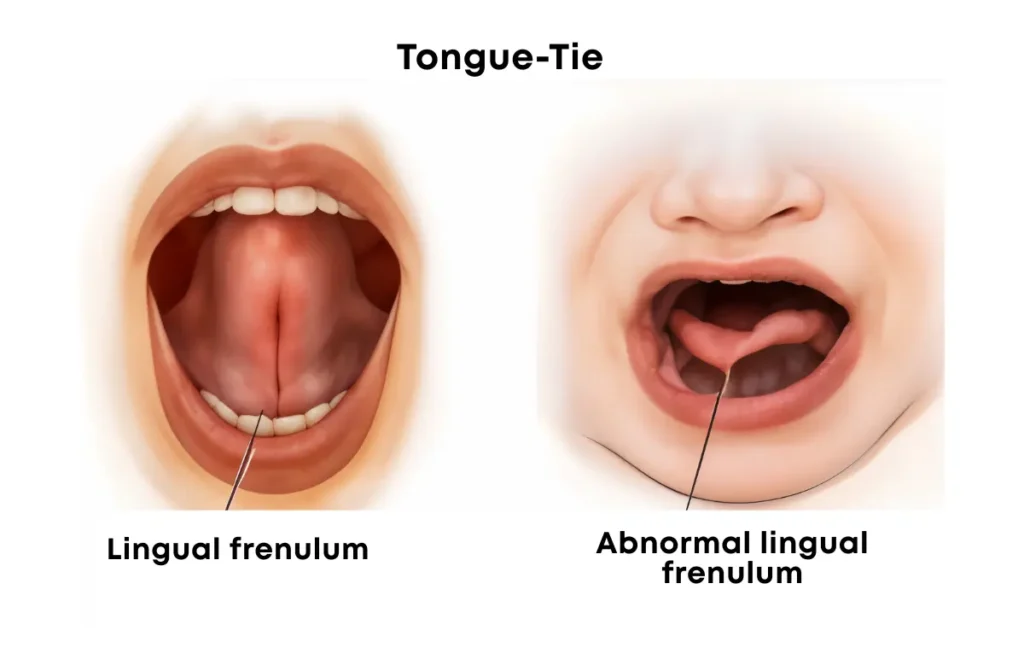
A tongue tie is a condition in which the lingual frenulum restricts the normal movement of the tongue. The frenulum is the small band of tissue beneath the tongue that anchors it to the floor of the mouth. In some people, this tissue is unusually tight or thick, which limits flexibility and range of motion.
A mild tongue tie may cause minimal symptoms, while more severe cases can interfere with daily activities such as eating, speaking, and swallowing. In babies, it can affect breastfeeding and cause feeding difficulties. In children, it may influence speech development and oral growth. Adults may experience discomfort, muscle strain, or difficulty maintaining oral hygiene because of restricted tongue movement.
A professionally performed tongue-tie procedure helps release this restriction and restores normal oral function. Laser dentistry has made the procedure faster, gentler, and more predictable than older surgical methods.
What Causes a Tongue Tie?
A tongue tie is usually present at birth and is considered a congenital condition. Researchers believe genetics may play a role, since tongue tie sometimes runs in families. During fetal development, the lingual frenulum can fail to separate properly, which leaves the tongue tethered after birth.
Although tongue tie is common, awareness of the condition has grown considerably in recent years thanks to a better understanding of infant feeding challenges and oral development concerns. Parents are now more likely to seek evaluation for symptoms early, which allows for timely treatment and better outcomes.
Some people wonder whether there are non-surgical options, or search online for how to fix tongue tie naturally using exercises or stretches. Oral exercises and guided therapy can sometimes improve tongue coordination in mild cases, but they cannot physically lengthen a tight frenulum. A professional evaluation remains essential to confirm whether surgical release is actually needed.
Types of Tongue Tie
Tongue tie can vary in severity and location. Understanding the different types helps a dentist choose the most effective treatment approach.
- Anterior Tongue Tie: This type is easier to spot because the tissue restriction sits close to the tip of the tongue. Children with an anterior tongue tie often show noticeable mobility limitations and struggle to stick the tongue out past the lower lip.
- Posterior Tongue Tie: A posterior tongue tie is less visible and sits deeper beneath the tongue. It can still cause significant feeding and speech issues, even though the restriction may not be obvious during a casual look inside the mouth.
- Associated Lip Tie: Some patients also have a restrictive upper lip frenulum, which may need a labial frenectomy procedure alongside tongue release to improve overall oral movement and feeding efficiency. Treating both restrictions together often improves outcomes for infants who are struggling to latch.
Signs and Symptoms of Tongue Tie
Symptoms of a tongue tie differ depending on age and the severity of the restriction.
Symptoms in Babies
Infants with a tongue tie often struggle during breastfeeding. Common signs include:
- Difficulty latching properly
- Clicking sounds while feeding
- Poor milk transfer
- Unusually long feeding sessions
- Irritability during feeds
- Slow or inadequate weight gain
Mothers may also experience nipple pain from a shallow latch. In these situations, early tongue tie baby treatment can meaningfully improve feeding success and comfort for both mother and child.
Symptoms in Children
As children grow, an untreated tongue tie may lead to:
- Speech pronunciation difficulties
- Trouble licking the lips or an ice cream cone
- Difficulty moving the tongue side to side
- Swallowing issues
- Mouth-breathing habits
Children may also feel self-conscious socially if their speech clarity is affected by other children noticing.
Symptoms in Adults
Adults with a tongue restriction may notice:
- Jaw pain and muscle tension
- Difficulty speaking for extended periods
- Tongue fatigue
- Trouble cleaning the teeth thoroughly
- Sleep-related breathing concerns
A carefully planned treatment approach can relieve this discomfort and restore better oral function, even later in life.
How a Tongue Tie Affects Oral and Overall Health
Although a tongue tie may seem like a minor issue, it can influence several aspects of health and development.
- Feeding Difficulties: Proper tongue movement is essential for effective breastfeeding. Restricted mobility can stop babies from forming an adequate seal, leading to frustration and slower weight gain.
- Speech Development: The tongue plays a central role in forming clear sounds. Children with an untreated tongue tie may struggle to pronounce certain letters and words correctly.
- Oral Development: Restricted tongue movement can affect the natural growth of the jaw and palate, which may contribute to bite problems, crowding, or a narrow dental arch over time.
- Breathing and Sleep: Some research suggests that limited tongue mobility may contribute to mouth breathing and airway concerns, particularly during sleep.
- Oral Hygiene Problems: A restricted tongue can make it harder to clear food debris from the teeth naturally, which raises the risk of plaque buildup and gum disease.
A properly performed release can noticeably improve these oral functions and support healthier development over the long term.

How is a Tongue Tie Diagnosed?
Diagnosis begins with a detailed oral examination by a qualified dental professional. The dentist checks the appearance of the frenulum, tongue mobility, feeding patterns, speech function, and swallowing mechanics.
For infants, feeding behavior is closely observed to assess latch quality and tongue coordination, sometimes with a standardized scoring tool. Older children and adults may undergo speech and functional assessments to gauge the extent of restriction.
Because some forms of tongue tie — especially posterior ones — are hard to detect visually, a professional evaluation is important rather than relying on a home check. Early diagnosis usually leads to simpler treatment and faster improvement.
When is Treatment Necessary?
Not every tongue tie needs immediate treatment. Mild cases with no functional limitations can simply be monitored over time. However, intervention becomes necessary when the restriction affects feeding, speech, breathing, oral hygiene, or day-to-day comfort.
Common reasons for treatment include:
- Persistent breastfeeding difficulties
- Speech impairment
- Jaw discomfort
- Swallowing problems
- Poor oral development
- Social or emotional concerns
Many parents also ask about the tongue tie surgery age limit before booking an appointment. In reality, there is no strict upper age limit. Infants, children, teenagers, and adults can all benefit from treatment when symptoms are present, though earlier intervention is often recommended because it may prevent developmental complications from building up over the years.
Understanding the Tongue-Tie Procedure
This treatment is designed to release the restrictive tissue beneath the tongue and improve movement. It is generally quick, minimally invasive, and performed on an outpatient basis, often in a single visit.
Traditional Surgical Method
Traditional frenectomy techniques use sterile surgical scissors or a scalpel to release the frenulum. This approach is effective, but it may involve sutures, mild bleeding, and a slightly longer healing window compared with laser treatment.
Laser Tongue-Tie Treatment
Modern laser dentistry offers a more comfortable alternative. A dental laser precisely releases the tissue while minimizing bleeding and reducing discomfort during and after the visit. Healing is often faster, which makes laser treatment especially suitable for infants and young children.
Frenectomy Procedure Steps
Understanding the frenectomy procedure steps can help ease anxiety before treatment. In general, the process includes:
- Examination and consent: The dentist confirms the diagnosis and explains the procedure to the parent or patient.
- Anesthesia: A topical or local anesthetic is applied to numb the area; infants often need little to no anesthesia for a simple frenotomy.
- Tissue release: A laser or sterile instrument releases the tight frenulum in a matter of seconds to a few minutes.
- Post-treatment check: The dentist checks tongue mobility immediately after release.
- Aftercare guidance: The patient or parent receives instructions on feeding, stretching exercises, and follow-up visits.
Most procedures take only a few minutes from start to finish, and many babies feed comfortably right afterward.
Cost of Treatment
The cost of this treatment depends on several factors, including the patient’s age, the severity of the tie, whether a laser or traditional method is used, and whether a lip tie is treated at the same time. A simple infant frenotomy is usually less expensive than a surgical frenectomy in an older child or adult, since older patients may need local anesthesia, sutures, or a longer chairside visit. During your consultation, the dentist will review the case and provide a clear cost estimate before treatment begins, along with details on any follow-up visits included in the plan.
Benefits of Laser Tongue-Tie Treatment
Laser-assisted treatment offers several important advantages over traditional surgical release:
- Minimal bleeding
- Reduced discomfort
- Faster recovery
- Lower risk of infection
- Improved feeding outcomes
- Greater precision during treatment
- Less post-operative swelling
These benefits make laser dentistry an increasingly preferred option for both pediatric and adult patients.
At Dr. Hari’s Dental Centre, advanced laser technology helps ensure safe, effective treatment tailored to each patient’s needs.
Frenotomy vs. Frenectomy: What’s the Difference?
Patients often use these two terms interchangeably, but they describe slightly different procedures.
| Feature | Frenotomy | Frenectomy |
| What it involves | A simple snip to release a thin frenulum | Surgical removal of thicker or more fibrous tissue |
| Common in | Newborns and infants | Older children and adults |
| Anesthesia | Often none or topical only | Usually local anesthesia |
| Sutures | Rarely needed | Sometimes needed |
| Recovery time | A few hours to a day | A few days |
Your dentist will recommend the right option after examining the frenulum and reviewing your symptoms.
Recovery After a Tongue-Tie Procedure
Recovery following this treatment is usually quick and manageable. Babies often breastfeed comfortably right after treatment, while older children and adults may notice mild soreness for a few days.
- Immediate Healing: Some temporary tenderness or swelling is normal in the first few days. Following the aftercare instructions helps minimize discomfort and supports healing.
- Eating and Feeding: Infants are encouraged to keep feeding normally after treatment. Older patients should stick to soft foods initially and stay well hydrated.
- Tongue Exercises: Dentists may recommend simple stretching exercises to prevent the tissue from reattaching and to improve long-term tongue mobility. These exercises are a key part of a successful recovery.
- Follow-Up Care: Regular follow-up visits help the dental team monitor healing progress and confirm the results are stable.
Most patients recover fully within a short period and notice a real improvement in feeding, speech, or comfort soon after treatment.
Risks of an Untreated Tongue Tie
Ignoring tongue tie symptoms can lead to long-term oral and functional complications, including:
- Ongoing feeding challenges
- Speech delays
- Orthodontic issues
- Jaw tension
- Poor sleep quality
- Gum recession in some cases
- Emotional or social difficulties
Timely treatment often prevents these complications and supports healthier oral development across childhood and beyond.
Is There a Way to Fix a Tongue Tie Naturally?
Patients frequently ask how to fix tongue tie naturally without surgery. Gentle tongue-stretching exercises, myofunctional therapy, and lactation support can improve coordination and comfort in very mild cases, and are often used alongside professional treatment rather than instead of it. However, a true structural restriction — where the frenulum is genuinely short or tight — will not resolve on its own with exercises alone. A dentist can assess whether a case is mild enough for a therapy-first approach or whether release is the more reliable path forward.
Tongue-Tie Procedure for Adults
While a tongue tie is often diagnosed during infancy, adults can also benefit from treatment. Many people reach adulthood without realizing that a restricted tongue is contributing to chronic jaw pain, speech fatigue, or oral discomfort.
A tongue-tie procedure adult treatment plan focuses on improving function, relieving muscle tension, and enhancing oral mobility. Adults may also combine treatment with speech therapy or myofunctional exercises for the best long-term results.
Because healing ability varies from person to person, professional guidance and careful aftercare remain essential for a smooth recovery.
Choosing the Right Dental Centre
Selecting an experienced dental team matters for safe, predictable outcomes. Advanced diagnostic methods, laser technology, and patient-focused care all contribute to successful tongue tie management.
At Dr. Hari’s Dental Centre, personalized treatment plans are built for infants, children, and adults experiencing tongue mobility restrictions. From diagnosis to aftercare, every step focuses on comfort, safety, and long-term oral health improvement.
Conclusion
A tongue tie is more than a minor oral quirk — it can meaningfully affect feeding, speech, breathing, and oral development at every stage of life. Fortunately, modern dentistry offers effective solutions through safe, minimally invasive treatment.
A professionally performed tongue-tie procedure can improve tongue mobility, support feeding success, encourage clearer speech, and reduce oral discomfort. Whether treatment is needed for a newborn, a child, or an adult, early evaluation and expert care can make a real difference to long-term health and everyday comfort.
At Dr. Hari’s Dental Centre, advanced laser technology and compassionate care help patients receive treatment tailored to their needs. With the right diagnosis, treatment, and aftercare, most patients enjoy healthier oral function and greater everyday comfort soon after their visit.
Read also: Pediatric Dentistry | Soft Diet After Dental Surgery


